Liver Septicemia
Sepsis


Introduction:
Septicemia, also referred to as poisoning of the blood, is a potentially fatal chronic illness caused by pathogenic bacteria and poisons that persist in the blood circulation. It is frequently seen as an intro to sepsis and septic shock if not detected and handled immediately. Based on worldwide statistics, septicemia causes serious illness and death, particularly in countries with low-to-moderate incomes that have a shortage of healthcare facilities [1].
Among its various symptoms, liver septicemia is especially detrimental because it disrupts metabolic processes and changes glucose control, resulting in hyperglycemic conditions.
What is Septicemia?
Septicemia happens whenever microbial, fungal, or other pathogens enter the circulatory system and take over the body’s defenses against infection. It differs from acute infections because when pathogens infiltrate the circulatory system, they propagate extensively to major organs. The expulsion of microbial toxins initiates a chain reaction of inflammatory mediators, resulting in extensive tissue damage, clotting problems, and organ malfunction [2].
Types of Septicemia
Although septicemia can result from any systemic illness, it is typically classified into three main categories:
General Septicemia
It is triggered by bacteria such as Staphylococcus aureus, Escherichia coli, and Klebsiella pneumonia. It is commonly caused by pneumonia, infections of wounds, or intrusive devices such as catheters [3].
Urinary Tract-Related Septicemia -
Resulting from neglected infections within the urinary tract. Gram-negative bacteria, for example, E. coli or Salmonella, are one of the most frequent causes. Patients report a high temperature, chills, dysuria, and rapid onset of bacterial pneumonia [4].
Liver Septicemia
Can result from liver abscesses, cholangitis, or acute hepatitis. This form of septicemia is especially deadly because of the liver’s crucial involvement in metabolic processes, immunity, and detoxification. [5]
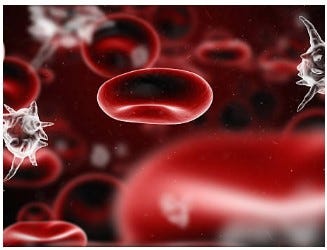
Liver Septicemia and Hyperglycemia
One of the distinguishing characteristics of hepatic septicemia is a rise in blood glucose values. The liver is responsible for the breakdown of glucose via glycogen retention and gluconeogenesis. Throughout septicemia, cytokines that promote inflammation (TNF-α, IL-1, and IL-6) cause accentuate-associated hyperglycemia. Furthermore, sepsis in the liver is linked with diabetes, which is caused by elevated cortisol and catecholamines. These chemicals inhibit efficient absorption of glucose by peripheral tissues, resulting in increased blood glucose [6]. Moreover, liver malfunction impairs insulin clearance, causing hyperglycemia. This metabolic imbalance hinders patient treatment, raises the possibility of subsequent infections, and delays healing. [7]
Symptoms Of Liver Septicemia
The appearance of hepatic sepsis is frequently associated with global sepsis, but may contain distinct hepatic characteristics.
High temperature and feeling chilled.
Discomfort in the right upper quadrant of the abdomen.
Jaundice (yellowing of the eyes and skin),
Experiencing a headache and vomiting.
Delirium or mental confusion
Low blood pressure, arrhythmia, and hyperglycemia were observed, and there was no prior history of diabetes [8].
If ignored, it may lead to failure of multiple organs, septic shock, or death.
Diagnosis of Liver Septicemia
Early diagnosis is vital for survival. Investigations usually consist of:
Blood cultures are used to detect related microorganisms.
Liver function tests (LFTs) show boosted bilirubin, AST, ALT, and alkaline phosphatase.
Monitor blood glucose levels - used to track accentuate-associated hyperglycemia.
Ultrasound/CT scan - used to diagnose infections or biliary blockage.
Complete blood count (CBC): This condition is associated with leukopenia accompanied by high C-reactive protein (CRP) and pro-calcitonin [9].
Medications Prescribed for Liver Septicemia
Antibiotic treatment, attentive management, and vigilant surveillance are all necessary for treatment.
Antibiotics Broad-spectrum prescription antibiotics, such as piperacillin-tazobactam, meropenem, or ceftriaxone, are used effectively until the pathogen is identified [10].
If methicillin-resistant S. aureus (MRSA) is detected, vancomycin or linezolid can be added.
Runtime is 10-14 days or longer, based on the severity of the infection.
Supportive Medications
Insulin drip for hyperglycemic management.
Vasopressors (norepinephrine) are used to treat septic shock. IV fluids are used to sustain perfusion. Analgesics and antipyretics to treat fever and pain
Indications and contraindications of medications
Antibiotics should be administered right away in all cases of potential septicemia. Known reactivity to beta-lactams, carbapenem, or glycopeptides is a contraindication [11].
Insulin treatment is recommended for hyperglycemia >180 mg/dl. Patients who are prone to hypoglycemia or have an insulin allergy should not take this medication [12].
Vasopressors are used for resistant hypotension, but they are contraindicated in unregulated rhythms.
NSAIDs/analgesics should be used with caution in patients with liver impairment as they may cause hepatotoxicity.
Precautions during Treatment
Early detection is important for avoiding irreparable organ damage. Regular tracking of body electrolytes and glucose levels is required. Avoid multiple medications without culture guidance since it raises antimicrobial resistance. Antibiotic dose in hepatic patients must be modified because of impaired metabolism and excretion [13].
Prognosis
The onset of interventions determines the final result of liver infection. Delays in initiating antibiotic treatment substantially increase death. Patients with concomitant illnesses such as obesity, diabetes, or cirrhosis have a worse prognosis [14]. However, with quick detection, intensive therapy, and careful glycemic control, survival rates improve significantly.
Conclusion
Septicemia represents one of the world’s most serious infectious emergencies. Of its subtypes, hepatic septicemia is particularly deadly because of its effect on the breakdown of glucose, along with the elevated risk of systemic failure. Physicians must be alert for initial signs and efficiently control hyperglycemia. With immediate antibiotics, medical treatment, and diligent monitoring, the catastrophic consequences of hepatic septicemia can be reduced.
References
Singer M, Deutschman CS, Seymour CW, et al. The Third International Consensus Definitions for Sepsis and Septic Shock (Sepsis-3). JAMA. 2016;315(8):801–810.
Angus DC, van der Poll T. Severe sepsis and septic shock. N Engl J Med. 2013;369(9):840–851.
Goto T, Al-Omran M. Management of bacteremia in adults. BMJ. 2016;353:i2575.
Flores-Mireles AL, Walker JN, Caparon M, Hultgren SJ. Urinary tract infections: epidemiology, mechanisms, and treatment options. Nat Rev Microbiol. 2015;13(5):269–284.
Kaplan GG, Gregson DB, Laupland KB. Population-based study of the epidemiology of and the risk factors for pyogenic liver abscess. Clin Gastroenterol Hepatol. 2004;2(11):1032–1038.
van Vught LA, Scicluna BP, Wiewel MA, et al. Association of diabetes and diabetes treatment with the host response in critically ill sepsis patients. Crit Care. 2016;20(1):252.
Marik PE, Bellomo R. Stress hyperglycemia: an essential survival response! Crit Care. 2013;17(2):305.
Rahimian J, Wilson T, Oram V, Holzman RS. Pyogenic liver abscess: recent trends in etiology and mortality. Clin Infect Dis. 2004;39(11):1654–1659.
Rhodes A, Evans LE, Alhazzani W, et al. Surviving Sepsis Campaign: International Guidelines for Management of Sepsis and Septic Shock. Intensive Care Med. 2017;43(3):304–377.
Tamma PD, Cosgrove SE, Maragakis LL. Combination therapy for treatment of infections with gram-negative bacteria. Clin Microbiol Rev. 2012;25(3):450–470.
Stevens DL, Bisno AL, Chambers HF, et al. Practice guidelines for the diagnosis and management of skin and soft tissue infections. Clin Infect Dis. 2014;59(2):147–159.
Finfer S, Liu B, Chittock DR, et al. Intensive versus conventional glucose control in critically ill patients. N Engl J Med. 2009;360(13):1283–1297.
Roberts JA, Abdul-Aziz MH, Lipman J, et al. Individualised antibiotic dosing for patients who are critically ill: challenges and potential solutions. Lancet Infect Dis. 2014;14(6):498–509.
Wu Z, Han T, Chen C, et al. Risk factors for mortality in patients with liver abscess: a retrospective study. Medicine (Baltimore). 2016;95(13):e2723